Bulfinch's Mythology The Age of Fable; The Age of Chivalry; Legends of Charlemagne (part 9 of 9)
Rab´i-can, noted horse, 684, 685, 730, 739, 740, 741, 766. Rag-na-rok´, the twilight (or ending) of the gods, 348-349. Raj´puts, minor Hindu caste, 324. Re´gan, daughter of Leir, 383-384. Re-gil´lus, lake in Latium, noted for battle fought near by between the Romans and the Latins, 158. Reg´gi-o, family from which Rogero sprang, 698. Re´mus, brother of Romulus, founder of Rome, 287. Rhad-a-man´thus, son of Jupiter and Europa, after his death one of the judges in the lower world, 269, 273. Rhap´so-dist, professional reciter of poems among the Greeks, 307. Rhe´a, female Titan, wife of Saturn (Cronos), mother of the chief gods, worshipped in Greece and Rome, 4, 5, 8, 143, 161, 179. Rhine, river, 353, 355, 357. Rhine-maidens, or daughters, three water-nymphs, Flosshilda, Woglinda, and Wellgunda, set to guard the Nibelungen Hoard (which See), buried in the Rhine, 354, 355. Rhodes, one of the seven cities claiming to be Homer’s birthplace, 307. Rho´do-pe, mountain in Thrace, 43. Rhon´gom-yant, Arthur’s lance, 612. Rhœ´cus, a youth, beloved by a Dryad, but who brushed away a bee sent by her to call him to her, and she punished him with blindness, 172. Rhi-an´non, wife of Pwyll, 584-588. Ri-nal´do, one of the bravest knights of Charlemagne, 653, 656, 660-664, 668, 670-672, 673, 683-686, 692-693, 695, 703, 705, 708-711, 745, 768-769, 780-781, 789-792, 814-825. River Ocean, flowing around the earth, 2. Robert de Beau-vais´, Norman poet (1257), 377. Rob´in Hood, famous outlaw in English legend, about time of Richard Cœur de Lion, 643-646. Rock´ing-ham, forest of, 399. Ro´do-mont, king of Algiers, 693, 695-697, 761. Ro-ge´ro, noted Saracen knight, 693-698, 702, 721-727, 728-731, 733, 740, 764, 765, 779-781, 788-801. Ro´land (Orlando), 651-652, 653. See Orlando. Romances, 374-378. Ro-ma´nus, legendary great-grandson of Noah, 379. Rome, 262, 287, 298. Rom´u-lus, founder of Rome, 10, 287. Ron, Arthur’s lance, 400. Ronces-valles´, battle of, 651-652, 801-803. Round Table, King Arthur’s, instituted by Merlin the Sage for Pendragon, Arthur’s father, as a knightly order, continued and made famous by Arthur and his knights, 396, 397, 410, 467. Ru´nic characters, or runes, alphabetic signs used by early Teutonic peoples, written or graved on metal or stone, 330, 350. Ru-tu´li-ans, an ancient people in Italy, subdued at an early period by the Romans, 276, 279, 281, 282. Ry´ence, king in Ireland, 401.
S.
Sa´bra, maiden for whom Severn River was named, daughter of Locrine and Estrildis, thrown into river Severn by Locrine’s wife, transformed to a river-nymph, poetically named Sabrina, 174, 381. Sac´ri-pant, king of Circassia, 674-676, 706-710. Saf´fire, Sir, knight of Arthur, 510. Sa´gas, Norse tales of heroism, composed by the Skalds (which See), 351-357. Sa-git-ta´ri-us, 128. Sag´ra-mour, knight of Arthur, 432. St. John, 772-777. St. Michael’s Mount, precipitous pointed rock-hill on the coast of Brittany, opposite Cornwall, 410. Sak-ya-sin´ha, the Lion, epithet applied to Buddha, 325. Sal´a-man´der, a lizard-like animal, fabled to be able to live in fire, 316-317. Sal´a-mis, Grecian city, 79, 307. Sal-mo´neus, son of Æolus and Enarete, and brother of Sisyphus, 269. Sal´o-mon, king of Brittany, at Charlemagne’s court, 656. Samh´in, or “fire of peace,” a Druidical festival, 359. Sa´mi-an sage (Pythagoras), 288. Sa´mos, island in the Ægean Sea, 157, 288. Sam-o-thra´cian gods, a group of agricultural divinities, worshipped in Samothrace, 158. Sam´son, Hebrew hero, thought by some to be original of Hercules, 301. San-greal (See Graal, the Holy), 486. Sapph´o, Greek poetess, who leaped into the sea from promontory of Leucadia, in disappointed love for Phaon, 38, 203. Sa´ra-cens, followers of Mahomet, 648. Sar-pe´don, son of Jupiter and Europa, killed by Patroclus, 213, 220. Sat´urn (Cronos), 4, 5, 8, 9, 10, 276, 280, 281, 301. Sat´ur-na´li-a, annual festival held by Romans in honor of Saturn, 9. Sa-tur´ni-a, an ancient name of Italy, 281. Sa´tyrs, male divinities of the forest, half man, half goat, 9, 10, 76. Scal´i-ger, famous German scholar of 16th century, 313. Scan-di-na´vi-a, mythology of, giving account of Northern gods, heroes, etc., 328-351. Sche´ri-a, mythical island, abode of the Phæacians, 243. Schrim´nir, the boar, cooked nightly for the heroes of Valhalla, becoming whole every morning, 331. Sci´o, one of the island cities claiming to be Homer’s birthplace, 307. Sco´pas, King of Thessaly, 202, 203. Scor´pion, constellation, 41, 43. Scyl´la, sea-nymph beloved by Glaucus, but changed by jealous Circe to a monster and finally to a dangerous rock on the Sicilian coast, facing the whirlpool Charybdis, many mariners being wrecked between the two, 59-61, 243-245, 261; also, daughter of King Nisus of Megara, who loved Minos, besieging her father’s city, but he disliked her disloyalty and drowned her, 98-101; also, a fair virgin of Sicily, friend of sea-nymph Galatea, 209-210. Scy´ros, where Theseus was slain, 154. Scyth´i-a, country lying north of Euxine Sea, 31, 43, 129, 170. Sea, the, 1. Sea-nymphs, 120, 209. Sea´sons, 3, 6. Sem´e-le, daughter of Cadmus and, by Jupiter, mother of Bacchus, 8, 94, 160. Se-mir´a-mis, with Ninus the mythical founder of the Assyrian empire of Nineveh, 23. Sen´a-pus, King of Abyssinia, who entertained Astolpho, 770. Se-ra´pis, or Hermes, Egyptian divinity of Tartarus and of medicine, 293, 295. Serfs, slaves of the land, 371. Se-ri´phus, island in the Ægean Sea; one of the Cyclades, 116, 202. Serpent (Northern constellation), 42. Ses´tos, dwelling of Hero (which See, also Leander), 105. “Seven against Thebes,” famous Greek expedition, 182. Sev´ern river, in England, 382. Sev´i-nus, Duke of Guienne, 825. Sha-lott´, the Lady of, 441 ff. Sha-tri´ya, Hindu warrior caste, 323, 324. Sher´as-min, French chevalier, 833-846. Sib´yl, prophetess of Cumæ, 265, 266-275. Si-chæ´us, husband of Dido (which See), 262. Sic´i-ly, 55, 56, 58, 61, 195, 209, 260, 261, 264. Siege Per´i-lous, the chair of purity at Arthur’s Round Table, fatal to any but him who was destined to achieve the quest of the Sangreal (See Galahad), 488. Sieg´fried, young King of the Netherlands, husband of Kriemhild; she boasted to Brunhild that Siegfried had aided Günther to beat her in athletic contests, thus winning her as wife, and Brunhild, in anger, employed Hagan to murder Siegfried. As hero of Wagner’s “Valkyrie,” he wins the Nibelungen treasure-ring, loves and deserts Brunhild, and is slain by Hagan, 352, 353, 355, 356-357. Sieg-lin´da, wife of Hunding, mother of Siegfried by Siegmund, 355, 356-357. Sieg´mund, father of Siegfried, 355. Sig´tryg, Prince, betrothed of King Alef’s daughter, aided by Hereward, 642. Si-gu´na, wife of Loki, 347. Si-le´nus, a Satyr, school-master of Bacchus, 46. Si-lu´res (South Wales), 375, 394. Silver Age, 14. Sil´vi-a, daughter of Latin shepherd, 277. Sil´vi-us, grandson of Æneas, accidentally killed in the chase by his son Brutus, 379. Si-mon´i-des, an early poet of Greece, 201-203. Si´non, a Greek spy, who persuaded the Trojans to take the Wooden Horse (which See) into their city, 230, 231. Si´rens, sea-nymphs, whose singing charmed mariners to leap into the sea; passing their island, Ulysses stopped the ears of his sailors with wax, and had himself bound to the mast so that he could hear but not yield to their music, 242. Sir´i-us, the dog of Orion, changed to the Dog-star, 206. Sis´y-phus, condemned in Tartarus to perpetually roll up hill a big rock which, when the top was reached, rolled down again, 186, 270. Si´va, the Destroyer, third person of the Hindu triad of gods, 320, 322. Skalds, Norse bards and poets, 350. Skid-blad´nir, Freyr’s ship, 348. Skir´nir, Frey’s messenger, who won the god’s magic sword by getting him Gerda for his wife, 336. Skry´mir, a giant, Utgard Loki (which See) in disguise, who fooled Thor in athletic feats, 337. Skuld, the Norn of the Future, 330. Sleep, twin brother of Death, 220. Sleip´nir, Odin’s horse, 345. So-bri´no, councillor to Agramant, 693, 784-785, 789. Som´nus, child of Nox, twin brother of Mors, god of sleep, 71-72, 264. Soph´o-cles, Greek tragic dramatist, 235. South wind. See Notus. Spar´ta, capital of Lacedæmon, 158, 212, 233. Sphinx, a monster, waylaying the road to Thebes and propounding riddles to all passers, on pain of death for wrong guessing, who killed herself in rage when Ædipus guessed aright, 122, 123-124. Spring, 39, 56. Stone´henge, circle of huge upright stones, fabled to be sepulchre of Pendragon, 397. Stro´phi-us, father of Pylades, 234. Styg´i-an realm, Hades, 186. Styg´i-an sleep, escaped from the beauty-box sent from Hades to Venus by hand of Psyche, who curiously opened the box and was plunged into unconsciousness, 89. Styx, river, bordering Hades, to be crossed by all the dead, 160, 228. Su´dras, Hindu laboring caste, 323, 324. Summer, 39. Sun, 3, 5, 39, 311. Sur´tur, leader of giants against the gods in the day of their destruction (Norse mythology), 349. Sur´ya, Hindu god of the sun, corresponding to the Greek Helios, 321. Su´tri, Orlando’s birthplace, 656. Sva-dil-fa´ri, giant’s horse, 334, 335. Swan, Leda and, 158. Syb´a-ris, Greek city in Southern Italy, famed for luxury, 292. Syl-va´nus, Latin divinity identified with Pan, 76, 166. Sym-pleg´a-des, floating rocks passed by the Argonauts, 131. Sy´rinx, nymph, pursued by Pan, but escaping by being changed to a bunch of reeds (See Pandean pipes), 30.
T
Tac´i-tus, Roman historian, 311. Tæn´a-rus, Greek entrance to lower regions, 186. Ta´gus, river in Spain and Portugal, 44. Tal´ie-sin, Welsh bard, 531, 627-633. Tan´a-is, ancient name of river Don, 44. Tan´ta-lus, wicked king, punished in Hades by standing in water that retired when he would drink, under fruit-trees that withdrew when he would eat, 112, 186, 270. Tar´chon, Etruscan chief, 282. Ta-ren´tum, Italian city, 197. Tar-pe´ian rock, in Rome, from which condemned criminals were hurled, 280. Tar´quins, a ruling family in early Roman legend, 275. Tau´ris, Grecian city, site of temple of Diana (See Iphigenia), 214, 234. Tau´rus, a mountain, 43. Tar´ta-rus, place of confinement of Titans, etc., originally a black abyss below Hades; later, represented as place where the wicked were punished, and sometimes the name used as synonymous with Hades, 5, 44, 52, 53, 73, 186, 187, 269, 293. Teir´tu, the harp of, 618. Tel´a-mon, Greek hero and adventurer, father of Ajax, 98, 138, 139. Te-lem´a-chus, son of Ulysses and Penelope, 212, 233, 246, 254, 255, 256, 257. Tel´lus, another name for Rhea, 134. Ten´e-dos, an island in Ægean Sea, 21. Ter´mi-nus, Roman divinity presiding over boundaries and frontiers, 10. Terp-sich´o-re, Muse of dancing, 8. Ter´ra, goddess of the earth, 146. Te´thys, goddess of the sea, 32, 40, 59, 172, 174. Teu´cer, ancient king of the Trojans, 78. Tha-li´a, one of the three Graces (which See), 8. Tham´y-ris, Thracian bard, who challenged the Muses to competition in singing, and, defeated, was blinded, 193. Thaukt, Loki disguised as a hag, 346. Thebes, city founded by Cadmus, and capital of Bœotia, 11, 92, 94, 111, 112, 123, 124, 161, 182, 183, 192, 296. The´mis, female Titan, law-counsellor of Jove, 4, 7, 9, 15 n., 297. The-o-do´ra, sister of Prince Leo, 794, 800. The´ron, one of Diana’s dogs, 35. Ther-si´tes, a brawler, killed by Achilles, 228. Thes´ce-lus, foe of Perseus, turned to stone by sight of Gorgon’s head, 121. The-se´um, Athenian temple in honor of Theseus, 154. The´se-us, son of Ægeus and Æthra, King of Athens, a great hero of many adventures, 130, 136, 138, 139, 147, 150-157, 158, 165, 177. Thes´saly, 3, 69, 129, 130, 132, 170, 202. Thes´ti-us, father of Althea (which See), 140. The´tis, mother of Achilles, 173, 174, 211, 212, 216, 221, 222, 225, 228. Thi´al-fi, Thor’s servant, 337, 340. This´be, Babylonian maiden beloved by Pyramus (which See), 23-26. Thor, the thunderer, of Norse mythology, most popular of the gods, 331, 332, 334, 335, 337-343, 349, 352. Thrace, 31, 130, 258. Thri-na´ki-a, island pasturing Hyperion’s cattle, where Ulysses landed, but, his men killing some cattle for food, their ship was wrecked by lightning, 244. Thrym, giant, who buried Thor’s hammer, 335. Thu-cyd´i-des, Greek historian, 98. Ti´ber, river flowing through Rome, 276, 299. Tiber, Father, god of the river, 279. Ti´gris, river, 35. Tin-ta´del, castle of, residence of King Mark of Cornwall, 450. Ti-re´si-as, a Greek soothsayer, 183. Ti-siph´o-ne, one of the Furies (which See), 9, 269. Ti´tans, the sons and daughters of Uranus (Heaven) and Gæa (Earth), enemies of the gods and overcome by them, 4, 5, 13, 18, 52, 172, 269. Ti-tho´nus, Trojan prince, 207. Tit´y-us, giant in Tartarus, 122, 269. Tmo´lus, a mountain god, 43, 47. Tortoise, second avatar (which See) of Vishnu, 321. Tournaments, 371-372, 665. Tours, battle of (See Abdalrahman and Charles Martel), 649-650. Tox´e-us, brother of Melauger’s mother, who snatched from Atalanta her hunting trophy, and was slain by Melauger, who had awarded it to her, 139. Triad, the Hindu, 320-321. Triads, Welsh poems, 532, 533. Tri-mur´ti, Hindu Triad, 320. Trip-tol´e-mus, son of Celeus (which See), and who, made great by Ceres, founded her worship in Eleusis, 57. Tris´tram, one of Arthur’s knights, husband of Isoude of the White Hands, lover of Isoude the Fair, 449-466, 468-478. Tri´ton, a demi-god of the sea, son of Poseidon (Neptune) and Amphitrite, 16, 60, 173, 174, 262. Trœ´zen, Greek city of Argolis, 150. Tro´jans, 216, 259-264, 269, 277. Tro´jan War, 138, 174, 184, 211-227. Tro-ja-no´va, New Troy, city founded in Britain (See Brutus, and Lud), 381. Tro-pho´ni-us, oracle of, in Bœotia, 297-298. Trou´ba-dours, poets and minstrels of Provence, in Southern France, 374. Trou-veurs´, poets and minstrels of Northern France, 375. Troy, city in Asia Minor, ruled by King Priam, whose son, Paris, stole away Helen, wife of Menelaus the Greek, resulting in the Trojan War and the destruction of Troy, 206, 207, 212, 213, 214, 218, 224, 227, 229, 236. Troy, fall of, 227-232. Tur´nus, chief of the Rutulianes in Italy, unsuccessful rival of Æneas for Lavinia, 276, 277, 278, 279, 281, 282, 286-287. Tur´pin, Archbishop of Rheims, 652-653, 656, 806-813. Tur´quine, Sir, a great knight, foe of Arthur, slain by Sir Launcelot, 428. Ty´phon, one of the giants who attacked the gods, were defeated, and imprisoned under Mt. Ætna, 52, 123, 261, 293, 294. Tyr, Norse god of battles, 333. Tyre, Phœnician city governed by Dido (which See), 262. Tyr´ians, 92, 262. Tyr´rhe-us, herdsman of King Turnus in Italy, the slaying of whose daughter’s stag aroused war upon Æneas and his companions, 277.
U
U-ber´to, son of Galafron, 665. U-lys´ses (Greek, Odysseus), hero of the Odyssey, 60, 61, 76, 184, 212, 213, 217, 219, 228, 229, 230, 232, 233, 236-257, 261. U´ni-corn, fabled animal with a single horn, 315. U-ra´ni-a, one of the Muses, a daughter of Zeus by Mnemosyne, 8, 126. Ur´dur, one of the Norns or Fates of Scandinavia, representing the Past, 330. Usk, British river, 406. Ut´gard, abode of the giant Utgard-Loki, 338. Ut´gard-Lo´ki, King of the Giants (See Skrymir), 339-343. U´ther (Uther Pendragon), king of Britain and father of Arthur, 389-390, 394, 396, 397, 398. U-waine´, knight of Arthur’s court, 432-434.
V
Va-is´sy-as, Hindu caste of agriculturists and traders, 323. Val-hal´la, hall of Odin, heavenly residence of slain heroes, 330, 331, 344, 348, 354, 355, 356. Val-ky´rie, armed and mounted warlike virgins, daughters of the gods (Norse), Odin’s messengers, who select slain heroes for Valhalla and serve them at their feasts, 331, 347, 354, 355. Ve, brother of Odin, 329, 330. Ve´das, Hindu sacred Scriptures, 320, 321, 324. Ven-e-do´ti-a, ancient name for North Wales, 407. Ve´nus (Aphrodite), goddess of beauty, 6, 7, 11, 13, 53, 65-67, 76, 78, 80, 82, 86-89, 94, 123, 142, 165, 209, 211, 212, 216, 218, 232, 264, 265. Ve´nus de Med´i-ci, famous antique statue in Uffizi Gallery, Florence, Italy, 305. Ver-dan´di, the Present, one of the Norns (which See), 330. Ver-tum´nus, god of the changing seasons, whose varied appearances won the love of Pomona, 76-79. Ves´ta, daughter of Cronos and Rhea; goddess of the home-fire, or hearth, 10. Ves´tals, virgin priestesses in temple of Vesta, 10. Ve-su´vi-us, Mount, volcano near Naples, 266. Villains, peasants in the feudal scheme, 371. Vig´rid, final battlefield, with destruction of the gods and their enemies, the sun, the earth, and time itself, 349. Vi´li, brother of Odin and Ve, 329. Vir´gil, celebrated Latin poet (See Æneid), 212, 266, 273, 275, 307-308. Vir´go, constellation of the Virgin, representing Astræa, goddess of innocence and purity, 15 n. Vish´nu, the Preserver, second of the three chief Hindu gods, 320, 321, 325. Viv´i-ane, lady of magical powers, who allured the sage Merlin and imprisoned him in an enchanted wood, 390-392, 424, 460, 521. Vol´scens, Rutulian troop leader who killed Nisus and Euryalus, 284. Vol´sung-a Sa´ga, an Icelandic poem, giving about the same legends as the Nibelungen Lied (which See), 217, 354. Vor´ti-gern, usurping King of Britain, defeated by Pendragon, 389-390, 397. Vul´can (Greek, Hæphestus), god of fire and metal-working, with forges under Ætna, husband of Venus, 4, 6, 10, 39, 41, 94, 123, 151, 182, 205, 222, 287, 301. Vy-a´sa, Hindu sage, 320.
W
Wain, the, constellation, 3. Well-gun´da, one of the Rhine-daughters (which See), 354. Welsh language, 531. Western Ocean, 273. Winds, the, 176, 208. Winter, 39. Wo´den, chief god in the Norse mythology; Anglo-Saxon for Odin, 330. Wog-lin´da, one of the Rhine-daughters (which See), 354. Woman, creation of, 13. Wooden Horse, the, filled with armed men, but left outside of Troy as a pretended offering to Minerva when the Greeks feigned to sail away; accepted by the Trojans (See Sinon, and Laocoön), brought into the city, and at night emptied of the hidden Greek soldiers, who destroyed the town, 229-232. Wood-nymphs, 76, 167. Wo´tan, Old High German form of Odin, 351, 352, 354, 355, 356.
X
Xan´thus, river of Asia Minor, 44.
Y
Ya´ma, Hindu god of the Infernal Regions, 321. Year, the, 39. Yg-dra´sil, great ash tree, supposed by Norse mythology to support the universe, 330. Y´mir, giant, slain by Odin, 329, 348. Yn´ywl, Earl, host of Geraint, father of Enid, 558-564. York, Britain, 405. Y-se-ro´ne, niece of Arthur, mother of Caradoc, 418. Ys´pa-da-den Pen´kawr, father of Olwen, 609, 612, 614, 617, 618, 625, 626.
Z
Zend´a-ves´ta, Persian sacred Scriptures, 318. Zeph´y-rus, god of the South wind, 68, 82, 83, 85, 176, 273. Zer-bi´no, a knight, son of the king of Scotland, 742, 744, 749-751, 753, 759. Ze´tes, winged warrior, companion of Theseus, 133, 176. Ze´thus, son of Jupiter and Antiope, brother of Amphion, 192. See Dirce. Zeus, 4. See Jupiter. Zo-ro-as´ter, founder of the Persian religion, which was dominant in Western Asia from about 550 B.C. to about 650 A.D., and is still held by many thousands in Persia and in India, 318-320.
TRANSCRIBER NOTES
Misspelled words and printer errors have been corrected. Where multiple spellings occur, majority use has been employed.
Punctuation has been maintained except where obvious printer errors occur. All ellipses have been spaced.
Shakspeare and Shakespeare appears several times throughout the text, and although obsolete, Shakspeare is a valid alternative form of Shakespeare, and therefore both instances appear.
Some illustrations were moved to facilitate page layout and a List of Illustrations was created and added after the Table of Contents.
All footnotes are linked and have been placed at the end of the book before the Appendices and Index.
[The end of Bulfinch's Mythology, by Thomas Bulfinch.]
The end
You’ve reached the end of Bulfinch's Mythology The Age of Fable; The Age of Chivalry; Legends of Charlemagne.
More by Thomas Bulfinch
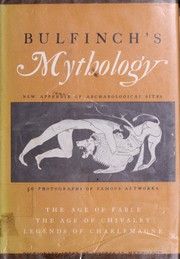

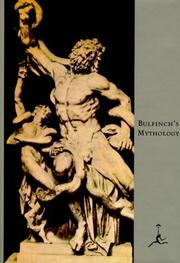
Read and listen together
 FrankensteinRead along