Read here

A Source Book for Ancient Church History

Joseph Cullen Ayer · Public domain text

251,067 words · about 17 h 35 min to read

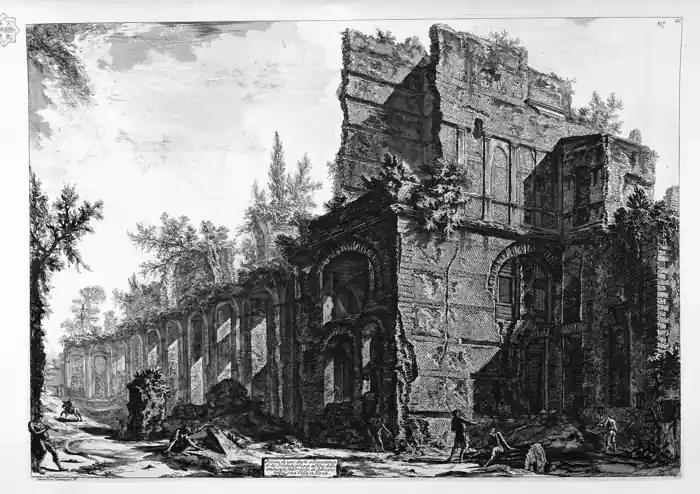
Period artwork: Ruins of Hadrian’s Villa, 1748
About this edition

The text of A Source Book for Ancient Church History comes from Project Gutenberg e-text #24979. It is in English and public domain in the United States. RedLectern sets the text out for reading on screen; no words of the book are rewritten or summarized. More formats (EPUB, Kindle) · How RedLectern is built

This book is long enough to be split into 7 parts, so each one loads quickly on its own.

About this book

Author
Joseph Cullen Ayer (1866–1944)
Language
English
Subjects
Church history › Primitive and early church, ca. 30-600 › Sources
Length
251,067 words · about 17 h 35 min
Sections
113 reader sections · Table of contents
Contents (113)
  1. Opening about 6 min
  2. ERRATA about 1 min
  3. Preface about 4 min
  4. GENERAL BIBLIOGRAPHICAL NOTE about 4 min
  5. Period I. The Apostolic Age: To Circa A. D. 100 about 1 min
  6. § 1. The Neronian Persecution about 4 min
  7. § 2. The Death of Peter and Paul about 2 min
  8. § 3. The Death of the Apostle John about 2 min
  9. § 4. The Persecution under Domitian about 1 min
  10. Period II. The Post-Apostolic Age: A. D. 100-A. D. 140 about 1 min
  11. § 5. Christianity and Judaism about 5 min
  12. § 6. The Extension of Christianity about 2 min
  13. § 7. Relation of the Roman State to Christianity about 5 min
  14. § 8. Martyrdom and the Desire for Martyrdom about 2 min
  15. § 9. The Position of the Roman Community of Christians in the Church about 2 min
  16. § 10. Chiliastic Expectations about 4 min
  17. § 11. The Church and the World about 4 min
  18. § 12. Theological Ideas about 4 min
  19. § 13. Worship in the Post-Apostolic Period about 5 min
  20. § 14. Church Organization about 10 min
  21. § 15. Church Discipline about 3 min
  22. § 16. Moral Ideas in the Post-Apostolic Period about 6 min
  23. Period III. The Critical Period: A. D. 140 to A. D. 200 about 2 min
  24. I. The Church In Relation To The Empire And Heathen Culture under 1 min
  25. § 17. The Extension of Christianity about 25 min
  26. § 20. The Literary Defence of Christianity about 9 min
  27. II. The Internal Crisis: The Gnostic And Other Heretical Sects about 1 min
  28. § 21. The Earlier Gnostics: Gnosticism in General about 8 min
  29. § 22. The Greater Gnostic Systems: Basilides and Valentinus about 31 min
  30. § 23. Marcion about 5 min
  31. § 24. Encratites about 2 min
  32. § 25. Montanism about 3 min
  33. III. The Defence Against Heresy about 1 min
  34. § 26. The Beginnings of Councils as a Defence against Heresy about 2 min
  35. § 27. The Apostolic Tradition and the Episcopate about 8 min
  36. § 28. The Canon or the Authoritative New Testament Writings about 10 min
  37. § 29. The Apostles’ Creed about 5 min
  38. § 30. Later Gnosticism about 1 min
  39. § 31. The Results of the Crisis about 3 min
  40. IV. The Beginnings Of Catholic Theology about 1 min
  41. § 32. The Apologetic Conception of Christianity about 1 min
  42. (A) The Logos Doctrine about 2 min
  43. (B) The Doctrine of the Trinity about 2 min
  44. (C) Moralistic Christianity about 1 min
  45. (D) Argument from Hebrew Prophecy about 1 min
  46. § 33. The Asia Minor Conception of Christianity about 5 min
  47. Period IV. The Age Of The Consolidation Of The Church: 200 to 324 A. D about 1 min
  48. I. The Political And Religious Conditions Of The Empire about 1 min
  49. § 34. State and Church under Septimius Severus and Caracalla about 12 min
  50. § 35. Religious Syncretism in the Third Century about 13 min
  51. II. The Internal Development Of The Church In Doctrine, Custom, And Constitution about 8 min
  52. § 39. The Religion of the West: Its Moral and Juristic Character about 10 min
  53. § 40. The Monarchian Controversies about 1 min
  54. (A) Dynamistic Monarchianism about 4 min
  55. (B) Modalistic Monarchianism about 11 min
  56. § 42. The Penitential Discipline about 9 min
  57. § 43. The Catechetical School of Alexandria: Clement and Origen about 19 min
  58. § 44. Neo-Platonism about 4 min
  59. III. The First General Persecution And Its Consequences about 1 min
  60. § 45. The Decian-Valerian Persecution about 18 min
  61. IV. The Period Of Peace For The Church: A. D. 260 To A. D. 303 about 1 min
  62. § 47. The Chiliastic Controversy about 18 min
  63. § 49. The Development of the Cultus about 9 min
  64. § 50. The Episcopate in the Church about 4 min
  65. § 51. The Unity of the Church and the See of Rome about 8 min
  66. § 52. Controversy over Baptism by Heretics about 5 min
  67. § 53. The Beginnings of Monasticism about 6 min
  68. § 54. Manichæanism about 7 min
  69. V. The Last Great Persecution about 1 min
  70. § 55. The Reorganization of the Empire by Diocletian about 2 min
  71. § 56. The Diocletian Persecution about 23 min
  72. I. The Church And Empire Under Constantine about 1 min
  73. § 58. The Empire under Constantine and His Sons about 5 min
  74. § 59. Favor Shown the Church by Constantine about 6 min
  75. § 60. The Repression of Heathenism under Constantine about 2 min
  76. § 61. The Donatist Schism under Constantine about 14 min
  77. II. The Arian Controversy Until The Extinction Of The Dynasty Of Constantine about 14 min
  78. § 64. The Beginnings of the Eusebian Reaction under Constantine about 5 min
  79. § 65. The Victory of the Anti-Nicene Party in the East about 23 min
  80. § 68. Julian the Apostate about 16 min
  81. III. The Triumph Of The New Nicene Orthodoxy Over Heterodoxy And Heathenism about 17 min
  82. § 70. The Dogmatic Parties and Their Mutual Relations about 13 min
  83. IV. The Empire And The Imperial State Church about 2 min
  84. § 72. The Constitution of the State Church about 1 min
  85. (A) The Ecumenical Council about 2 min
  86. (B) The Hierarchical Organization about 16 min
  87. § 73. Sole Authority of the State Church about 20 min
  88. § 75. Social Significance of the State Church about 18 min
  89. § 76. Popular Piety and the Reception of Heathenism in the Church about 8 min
  90. § 77. The Extension of Monasticism Throughout the Empire about 28 min
  91. § 79. The Empire of the Dynasty of Theodosius about 12 min
  92. II. The Church Of The Western Empire In The Fifth Century about 1 min
  93. § 81. The Western Church Toward the End of the Fourth Century about 5 min
  94. § 82. Augustine’s Life and Place in the Western Church about 18 min
  95. § 83. Augustine and the Donatist Schism about 15 min
  96. § 84. The Pelagian Controversy about 17 min
  97. § 85. Semi-Pelagian Controversy about 23 min
  98. III. The Church In The Eastern Empire about 17 min
  99. § 88. The Christological Problem and the Theological Tendencies about 1 h 8 min
  100. I. The Church In The Eastern Empire about 1 min
  101. § 93. The Age of Justinian about 18 min
  102. § 94. The Byzantine State Church under Justinian about 16 min
  103. II. The Transition To The Middle Ages. The Foundation Of The Germanic National Churches about 1 min
  104. § 96. The Celtic Church in the British Isles about 20 min
  105. § 98. The State Church in the Germanic Kingdoms about 34 min
  106. § 100. The Foundation of the Anglo-Saxon Church about 18 min
  107. III. The Foundation Of The Ecclesiastical Institutions Of The Middle Ages about 14 min
  108. § 103. The Foundation of the Mediæval Penitential System about 9 min
  109. § 104. The New Monasticism and the Rule of Benedict of Nursia about 21 min
  110. § 105. Foundation of Mediæval Culture and Schools about 13 min
  111. § 106. The Rise and Extension of Islam about 1 h 4 min
  112. INDEX about 15 min
  113. FOOTNOTES about 24 min

The opening of Preface

The value of the source-book has long been recognized in the teaching of general history. In ecclesiastical history quite as much use can be made of the same aid in instruction. It is hoped that the present book may supply a want increasingly felt by teachers employing modern methods in teaching ecclesiastical history. It has grown out of classroom work, and is addressed primarily to those who are teaching and studying the history of the Christian Church in universities and seminaries. But it is hoped that it may serve the constantly increasing number interested in the early history of Christianity.

In the arrangement of the selected illustrative material, a chronological analysis and grouping of topics has been followed, according to the lines of treatment employed by K. Müller, F. Loofs, Von Schubert in his edition of Moeller’s text-book, and by Hergenröther to some extent. The whole history of ancient Christianity has accordingly been divided into comparatively brief periods and subdivided into chapters and sections. These divisions are connected and introduced by brief analyses and characterizations, with some indications of additional source material available in English.

Read on in Part 1 →